Key Takeaways:
How does adventure learning help develop strong leadership skills?
- Adventure Learning encourages individuals to step outside their comfort zones, building confidence and resilience through real-world challenges.
- It strengthens teamwork and communication, essential traits for effective leadership.
Outdoor experiences nurture decision-making under pressure, mirroring real-life leadership demands.
Leaders learn to inspire others by demonstrating courage, empathy, and positivity.
- Adventure-based programmes create opportunities for growth, transforming everyday participants into confident, capable leaders.
Introduction
Great leaders aren’t simply born, they’re moulded through experiences that test courage, communication, and character. One of the most dynamic and effective ways to nurture these traits is through adventure learning. By stepping into challenging outdoor environments, individuals are encouraged to think on their feet, take responsibility, and inspire others. Whether you’re navigating a ropes course or supporting a teammate during a high climb, every activity builds skills that translate directly into leadership.
At Forest Adventure, participants discover that leadership isn’t just about giving directions, it’s about guiding, listening, and growing together. This article explores how adventure learning fosters confidence, collaboration, and decision-making, all of which are core attributes that define successful leaders.
How Does Adventure Learning Shape Leadership Qualities?
Confidence Through Overcoming Challenges
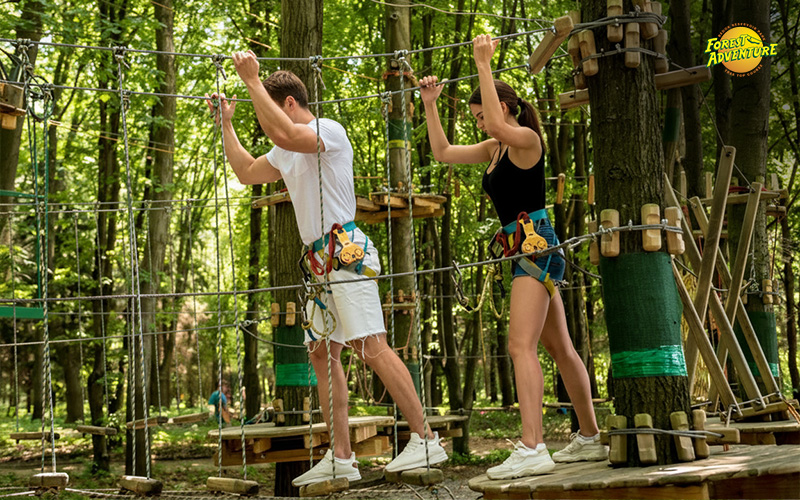
True leadership begins with self-belief. Outdoor challenges such as high element activities test both mental and physical limits, helping participants build the confidence to tackle uncertainty. When someone conquers their fear of heights or completes a complex task, they experience a powerful sense of achievement.
This growth mindset, shaped by small victories, translates into resilience in the workplace. Leaders who’ve learned to overcome tangible obstacles are more likely to stay composed and motivated when facing professional or personal setbacks. In this way, adventure learning for leadership provides an ideal training ground for developing poise under pressure.
Teamwork That Strengthens Influence
Great leaders understand that influence doesn’t come from authority alone, it’s built on trust and teamwork. Outdoor challenges like group climbs or balance-based courses require collaboration, communication, and empathy.
By guiding peers through tasks, individuals learn to value every team member’s input. This builds emotional intelligence, teaching leaders how to motivate others and recognise diverse strengths within the group. These moments of collaboration are where leadership naturally shines, showing that guiding by example often yields stronger results than commanding from the front. This collaborative spirit reflects outdoor corporate team building activities, where teams strengthen trust and achieve goals through collective effort.
What Does Adventure Learning Teach About Decision-Making?
Decision-Making Under Pressure
In both life and leadership, quick thinking is essential. Outdoor environments often present unpredictable situations such as changing weather, complex obstacles, or time-bound missions. Participants must assess risks, think strategically, and make sound decisions under pressure.
This form of outdoor leadership training in Singapore mirrors real-world business challenges, where leaders must balance urgency with clear and thoughtful judgment. Each decision made during an activity becomes a mini lesson in accountability and composure, traits that define credible, dependable leadership.
Inspiring Others by Example
Leadership isn’t just about achieving personal success, it’s about motivating others to do the same.In Singapore, during adventure activities individuals often rise to the occasion by demonstrating courage and positivity. When someone takes the first step across a suspension bridge or encourages a hesitant teammate, they model confidence and empathy in action.
These moments build confidence and resilience in leadership, teaching participants that influence stems from authenticity and care. The ability to uplift others, especially when facing challenges together, forms the foundation of enduring leadership impact.
Why Adventure Learning Builds Lasting Leaders?
Beyond skill-building, adventure learning fosters mindset transformation. Participants move from self-doubt to self-assurance, from independent thinkers to collaborative leaders. The lessons learned in nature, trust, patience, adaptability, extend far beyond the ropes or ziplines.
As leaders grow through these experiences, they not only refine their ability to make decisions but also strengthen their emotional resilience. That’s why many organisations now integrate team building and leadership development programmes into their training strategies. It’s experiential learning that doesn’t just tell you how to lead, it shows you.
Conclusion
In today’s fast-paced world, leadership isn’t defined by titles but by the ability to connect, adapt, and inspire. Adventure learning offers the perfect arena to cultivate these traits, combining physical challenge with emotional growth. From boosting confidence to mastering teamwork, every obstacle conquered outdoors reflects a step forward in leadership maturity.
If you’re ready to explore how outdoor experiences can transform your approach to leadership, step into the challenge at Forest Adventure, where adventure meets growth.